Is home window tinting worth it? The honest answer is that it depends on two things almost no marketing page will tell you about: what kind of glass you already have, and which rooms you are trying to fix. Most pages quote a best-case number and imply every home benefits the same way. That is not how it works.
We install residential window film across Manhattan and the boroughs, and we would rather tell you the truth than sell you film you do not need. So here is the straight version of what film really saves, when it pays off, and when you should put your money somewhere else.
The Real Energy Savings Number (and Why It Isn’t 50 Percent)
You will see claims of up to 50 percent energy savings. That number does not survive contact with a real utility bill. The figures installers report when they are being honest are far smaller. Film can cut the heat coming through your glass by a lot, but the cut to your actual cooling bill usually lands somewhere around 5 to 15 percent for most homes.
The reason is simple once you see it. The big percentages you read describe heat gain at the window, not your whole bill. Windows are only one path heat takes into your home, and cooling is only one part of what you pay for. Even by the film industry’s own framing, roughly a third of cooling costs come from solar heat through windows, so film can only ever address a slice of the total. That slice is real and worth having, but it is not half your bill.
Already Have Low-E Windows? Film Is About Comfort, Not Your Power Bill
Here is the part that decides everything, and the part no commodity page says out loud. Window efficiency is measured by something called U-factor, where lower is better. Old single-pane windows sit way up around 0.90 to 1.10. Older clear double-pane glass is roughly 0.45 to 0.55. Modern Low-E double-pane windows, the kind in most newer homes and renovations, are down around 0.28 to 0.35.
If your home already has modern Low-E windows, it has already captured most of the efficiency that was available. Adding film to that glass gives you a small extra gain at best, and on a sealed Low-E unit it can also raise warranty and cracking questions, which we explain in our guide to what film can do to your window warranty. The homeowners who get a true energy payback from film are the ones with old single-pane or clear double-pane glass. If that is you, film is a smart, low cost upgrade. If your windows are already efficient, buy film for comfort, glare, and fade protection, not for the energy bill, because the payback on that last bit can stretch out for many years.
Don’t Tint the Whole House: The Rooms That Actually Pay Off
Most homeowners do not need to tint every window, and doing so is how you overspend. The benefit is concentrated in the rooms that take the brunt of the sun. South and west-facing windows, sunrooms, and any room with a big wall of glass are where film earns its keep, because that is where the heat and glare actually build up.
So the smart approach is to start with those rooms and leave the shaded, north-facing, or rarely used windows alone. You capture most of the comfort and savings for a fraction of the cost, and you can always add more later if you like the result. A quality solar control window film on the right few windows beats a cheap film on every window in the house.
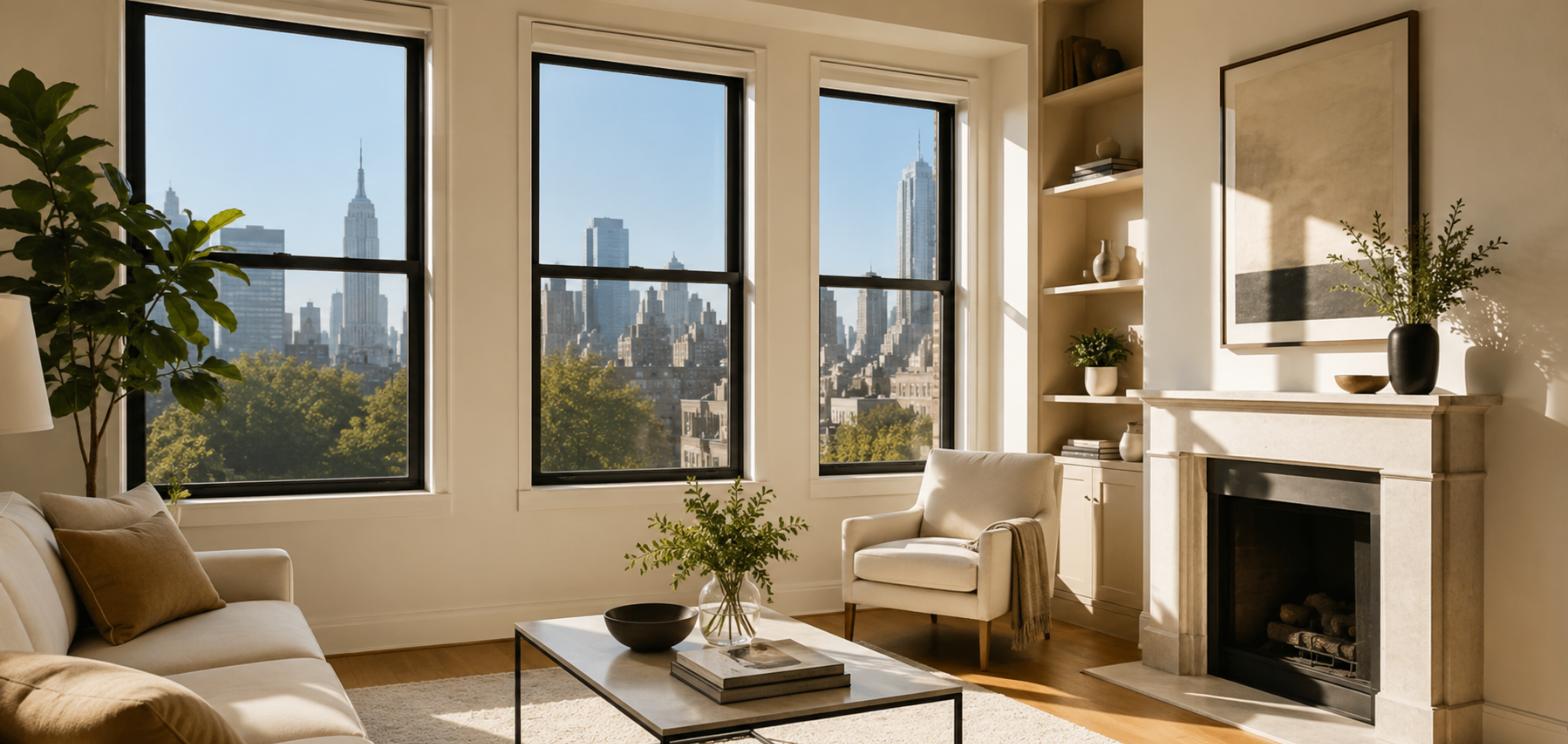
Related: what home window tinting looks like in a New York apartment or townhouse.
What Window Film Is Really Great At, Even When the Energy Math Is Modest
None of this means film is a bad buy. It means you should buy it for the right reasons. Where film genuinely shines is comfort and protection. It kills the glare that washes out your TV and laptop. It blocks the ultraviolet light that fades your floors, furniture, and artwork over the years. It takes the harsh edge off a hot, sunny room so the space is actually usable in the afternoon. And the right film adds daytime privacy without turning your home dark.
One honest caution on privacy film. The reflective and dual-reflective films that stop people seeing in during the day work by reflecting light, so after dark, when your interior lights are on and it is darker outside, the effect reverses and the privacy drops. That is normal and worth knowing before you choose a film for a front-facing room. If you want help matching the right film to the right rooms, our residential window tinting in NYC team will scope your glass and your sun exposure first. Call us at (917) 970-9070 for a free consultation.
So, Is Home Window Tinting Worth It?
For comfort, glare, and fade protection, yes, for almost any home, and that alone is often reason enough. For pure energy savings, it is worth it mainly if you have older single-pane or clear double-pane glass and sun-exposed rooms. If your windows are already modern and efficient, treat any energy savings as a bonus on top of the comfort, not the reason to buy. Tint the rooms that bake, skip the ones that do not, and choose the film for the job you actually need done.
Related: window tinting for Westchester County homes.
Frequently Asked Questions About Home Window Tinting
How much does home window tinting really save on energy?
For most homes, the cut to your cooling bill is roughly 5 to 15 percent, not the 50 percent some ads claim. The larger percentages you see describe heat blocked at the glass, not your total bill. Climate, sun exposure, and your existing glass all change the result.
Is window tinting worth it if I already have Low-E windows?
For energy, usually not by much, because Low-E glass has already captured most of the available efficiency. For comfort, glare, and fade protection, it can still be worth it. Buy it for those reasons rather than the power bill.
Which windows should I tint first?
Start with the rooms that take the most sun, south and west-facing windows, sunrooms, and large glass walls. That is where film delivers the most comfort and savings, so you can treat a few windows instead of the whole house.
Does home window tinting pay for itself?
Sometimes, and slowly. On old single-pane or clear double-pane glass in a sunny home, the payback is reasonable. On already-efficient windows, the energy payback can take many years, which is why we treat film as a comfort and protection upgrade first.
Can I still see out at night with privacy film?
Reflective privacy films work by reflecting light, so they give strong privacy during the day. At night, with your lights on and darkness outside, the effect reverses and visibility from outside increases. It is worth knowing before choosing a film for a front-facing room.