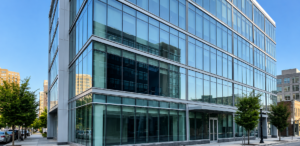

In New York City, privacy window tinting can be selectively applied to different exposures, like street-facing versus courtyard windows, to enhance privacy while satisfying aesthetic and regulatory requirements. Architects must consider local guidelines and the unique light and privacy needs of each exposure type. By aligning the tinting design with these factors, projects can achieve ideal energy efficiency and visual appeal. Further understanding of this nuanced approach awaits those interested in exploring the intricacies of strategic window tinting.
Understanding Privacy Window Tinting
Privacy window tinting serves as an essential element in modern architectural design, offering a blend of functionality and aesthetics. Such tinting enhances privacy without compromising natural light, creating sleek, energy-efficient spaces. It employs advanced film technologies that reflect or absorb solar radiation, thereby reducing glare and maintaining interior comfort. Architects and designers select tints based on specific needs, such as UV protection or thermal insulation, ensuring ideal performance.
While privacy tinting is aesthetically pleasing, it’s important to understand its technical aspects. The choice of tint impacts a building’s energy efficiency, with darker tints typically offering better heat reduction. Furthermore, the right tint can contribute to LEED certification by improving energy performance. Consequently, privacy window tinting is an essential consideration in sustainable design practices.
Local Regulations and Legal Considerations
When considering the integration of privacy window tinting into architectural projects, understanding local regulations and legal considerations is paramount. New York City mandates specific guidelines for window tinting to guarantee compliance with safety and aesthetic standards. The Department of Buildings (DOB) oversees these regulations, which specify permissible tint percentages and reflectivity levels to maintain both internal visibility and external uniformity. Compliance with these guidelines prevents potential legal repercussions and guarantees that designs align with city ordinances. Additionally, regulations may vary based on building type and location, requiring architects to conduct thorough due diligence before implementation. By adhering to these rules, architects can effectively incorporate window tinting that meets privacy needs while respecting New York City’s architectural and legal landscape.
Street-Facing Windows: Privacy and Aesthetic Concerns
How does one balance the dual objectives of privacy and aesthetic appeal for street-facing windows in a bustling metropolis like New York City? Choosing the right window tinting is vital. Privacy films must comply with New York City codes, which demand specific visible light transmission (VLT) percentages to avoid obstructing natural light and adhere to aesthetic guidelines. Designers can select from a range of tints that provide privacy without compromising the building’s visual integrity. Reflective tints offer one-way privacy while maintaining exterior aesthetics. Meanwhile, frosted or decorative films provide privacy and align with architectural design goals. By integrating privacy solutions with regulatory compliance, property owners can enhance both privacy and design, ensuring their street-facing windows meet aesthetic and functional standards.
Courtyard Windows: Balancing Light and Privacy
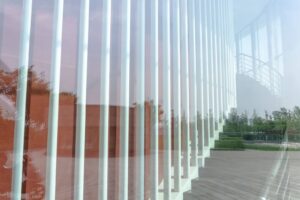
While street-facing windows demand a careful balance of privacy and aesthetics, courtyard windows present a unique challenge in optimizing natural light while ensuring privacy. Architects and designers must consider how window tinting can maximally enhance interior illumination without compromising occupant privacy. Courtyard orientations often limit direct sunlight, necessitating strategic use of reflective or frosted films. These films allow light diffusion, mitigating glare while maintaining discretion. In New York City, adhering to local building codes and regulations is essential, as these dictate permissible light transmittance levels for residential and commercial structures. Choosing the right tint involves balancing visible light transmission (VLT) with privacy. Effectively managing this balance can transform courtyards into inviting spaces, enhancing both functionality and comfort in an urban setting.
Residential vs. Commercial Applications
In New York City, both residential and commercial applications of privacy window tinting require a careful balance between aesthetics and functional needs. For residential settings, window tinting enhances privacy while maintaining natural light levels, essential for city apartments where space is limited. Design considerations include color and reflectivity to complement interior decor. Commercial applications focus on reducing glare and heat, improving energy efficiency in office environments. Compliance with local regulations, such as the NYC Building Code, guarantees appropriate light transmission levels are maintained. Moreover, commercial installations often prioritize branding elements, integrating company colors or logos into the tint design. Both sectors must navigate the delicate interplay of privacy, light, and design to achieve ideal results in urban environments.
Choosing the Right Tint for Different Exposures
Selecting the ideal window tint for varying exposures involves a strategic understanding of both aesthetic and functional requirements. In New York City, window tint must comply with local regulations, which dictate permissible Visible Light Transmission (VLT) levels. For street-facing windows, darker tints might be preferable for enhanced privacy and glare reduction, while maintaining the building’s exterior design integrity. Courtyard exposures, conversely, may benefit from lighter tints that maximize natural light, enhancing interior ambiance without compromising privacy. Additionally, UV protection remains a critical factor, preserving interior furnishings from sun damage. Professionals should evaluate each exposure’s unique requirements, factoring in building codes, architectural style, and intended use. This guarantees an ideal balance between privacy, energy efficiency, and visual appeal.
Installation Challenges and Solutions
Despite the allure of enhanced privacy and energy efficiency, window tinting in New York City presents installation challenges that require careful consideration and expertise. The city’s diverse architectural landscape means installers must tailor solutions for varied window shapes and sizes. Precision cutting and alignment are essential to maintain aesthetic integrity and prevent air bubbles. Additionally, compliance with local regulations, such as restrictions on tint darkness for specific exposures, demands thorough knowledge and adherence. Installers must also consider the impact of seasonal weather changes on adhesive performance, ensuring longevity and durability. Advanced tools and techniques, like computer-aided design (CAD) for custom fittings, can address these challenges effectively. Engaging certified professionals guarantees ideal results, balancing privacy needs with architectural and regulatory demands.
Impact on Energy Efficiency and Indoor Climate
When applied correctly, privacy window tinting considerably enhances energy efficiency and optimizes indoor climate control in New York City’s diverse building environments. By reducing solar heat gain, tinting decreases reliance on air conditioning systems, leading to lower energy consumption and operational costs. The technical application guarantees that buildings maintain a comfortable internal temperature, regardless of external weather conditions. Privacy tints also help regulate glare, improving occupant comfort and productivity. Additionally, compliance with New York’s stringent building codes guarantees that these tints meet safety and energy standards. Selective exposure tinting, especially on street-facing windows, maximizes these benefits by focusing on areas most affected by direct sunlight. This strategic approach aligns with sustainable building practices, contributing to the city’s energy conservation goals.
Aesthetic Implications and Design Harmony
While privacy window tinting primarily serves functional purposes, its aesthetic implications shouldn’t be underestimated. The integration of tinting into building design requires a balance between privacy and visual appeal. Architects must consider the tint’s color and reflectivity to guarantee harmony with the building’s facade and interior decor. A well-chosen tint can enhance the overall architectural language, creating a cohesive visual experience.
Designers should also be mindful of New York City’s regulatory standards, which may influence color choices and reflectivity levels to maintain external consistency. Additionally, thoughtful design can address varying exposures, such as street versus courtyard, ensuring that the tint complements both public and private vistas. Achieving this balance enhances not only privacy but also the building’s aesthetic integrity.
Navigating Permits and Approval Processes
Architects and designers in New York City must navigate a complex landscape of permits and approval processes when incorporating privacy window tinting into their projects. Compliance with local building codes and zoning regulations is vital. The Department of Buildings (DOB) mandates that any changes affecting the façade, including window tinting, require official review. Additionally, the Landmarks Preservation Commission (LPC) must approve modifications on landmarked properties. Designers should prepare detailed plans and specifications to streamline the approval process. Understanding the distinction between street and courtyard exposures is significant, as different requirements may apply. Engaging with experienced consultants familiar with NYC’s regulatory environment can expedite approvals. Early coordination with city agencies guarantees that design intentions align with legal standards, minimizing project delays.