Commercial window tinting NYC building owners consider is rarely a comfort decision for a large building. It is a line item that has to fit the building’s compliance position and capital plan, and it has to get past building management before anything goes on the glass. Local Law 97 is the reason film lands on the agenda in the first place, because the penalties for going over an emissions cap fall hardest on big buildings.
We install commercial window film across Manhattan and the boroughs, and we work with the people who actually sign off, owners, asset managers, and property managers. This guide is written for them. How film fits a large building’s Local Law 97 plan, how it gets approved and scoped across a multi-tenant property, and what to honestly expect. If you want the mechanics of Local Law 97 itself, along with co-op and glass warranty details, our full guide to Local Law 97 and window film covers that ground.
Why Local Law 97 Puts Commercial Buildings on the Clock
The short version, since the link above has the detail. Local Law 97 caps carbon emissions on large buildings, and the exposure scales with size. The bigger your building, the bigger the penalty for going over, which is why owners of large commercial properties feel this law more than anyone. That pressure is what moves window film from a nice-to-have into a real conversation at the capital planning level.
What matters for an owner or manager is not the chemistry of the film. It is where film sits on the menu of ways to lower a building’s energy use, and how cheaply it can buy you progress against your cap compared to the heavier options.
Where Film Fits in a Commercial Compliance and Capital Plan
Your engineer or energy consultant is weighing a list of measures, lighting, controls, HVAC upgrades, envelope work. Window film belongs on that list as one of the lower cost envelope moves. It does not replace the big mechanical decisions, and it is not a single fix for your cap. What it offers is favorable math. Film is inexpensive next to replacing glazing or overhauling mechanical systems, and it can be rolled out across a whole building quickly without taking floors out of service.
So the right way to present film to ownership or finance is honest and specific. It is a fast, low cost contribution to the energy plan that frees up capital for the upgrades only money can solve. Treat any pitch that sells film as a standalone compliance solution with suspicion, because for a building of any size it is one piece, not the whole answer.
Getting Commercial Window Film Approved Across a Multi-Tenant Building
This is where commercial work is genuinely different from a home or a single co-op unit, and it is the part most quotes ignore. In a multi-tenant building, an individual tenant cannot authorize film on the glass. The decision sits with ownership or building management, because the windows are part of the shared facade. The real first step is identifying who signs and what they need to see.
From there, the practical questions are about scale and disruption, not product brochures. Do you film the whole building at once, or phase it by floor and sun exposure to spread the cost. How do crews reach high-rise glass and curtain wall safely. How do you keep work from interrupting tenants, which usually means interior access and after-hours scheduling. And how do you keep the facade looking uniform so the building still reads as one piece from the street. We handle that coordination as a matter of course, and we put the specification in writing so management has something concrete to approve. If you are scoping commercial window tinting in NYC for a building you own or manage, that approval-ready spec is what turns a good idea into an installed project.
What Commercial Window Tinting Saves in NYC, and Why Your Facade Decides
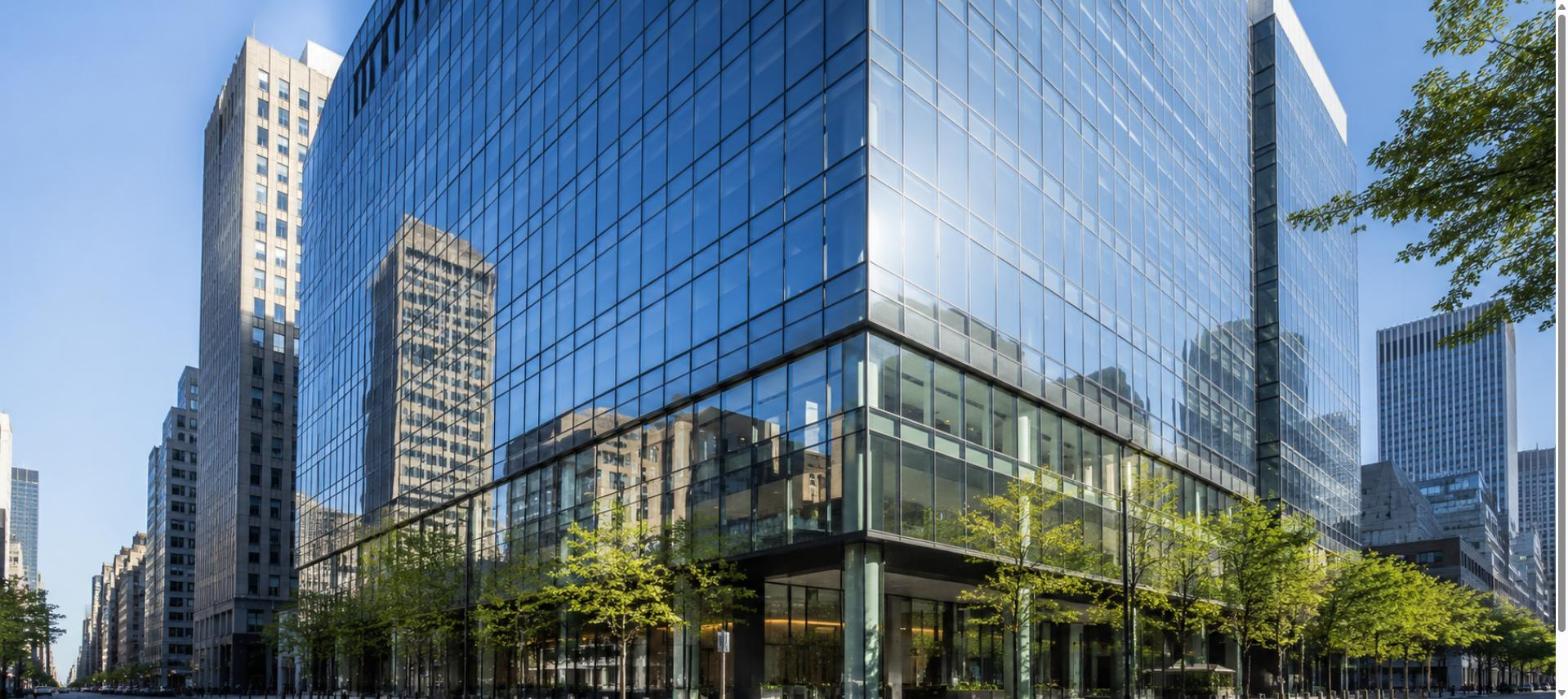
Savings are real, but they are specific to your building, not a flat brochure number. The buildings that benefit most are glassy towers with heavy west and south sun exposure, where film cuts the cooling load during the hours that cost the most. A masonry building with little glass sees less. That is why we assess your facade before we put a figure in front of finance, because a real number that survives scrutiny is worth more than an optimistic one that does not.
Product choice drives the result as much as the building does. A quality spectrally selective solar control window film that rejects infrared heat while keeping the glass clear outperforms a basic tint by a wide margin. For a large commercial job, that difference compounds across every pane. If you want a facade-specific assessment for your building, call us at (917) 970-9070 for a free consultation and we will scope it before we quote.
Frequently Asked Questions About Commercial Window Tinting in NYC
Who approves commercial window film in a multi-tenant building?
Ownership or building management, not an individual tenant, because the glass is part of the shared facade. We help by putting the film specification in writing so management has a clear, concrete proposal to approve.
Do we have to film the whole building at once, or can we phase it?
You can phase it. Many owners start with the floors and facades that get the most sun, since those return the most benefit, then extend coverage over time. Phasing also spreads the cost across budget cycles.
Will installation disrupt our tenants?
Usually very little. Most commercial film is applied from the interior, and work can be scheduled after hours or floor by floor to keep tenant disruption to a minimum. We plan the logistics around your building’s schedule.
How does window film fit our Local Law 97 plan?
As one lower cost envelope measure among several. It reduces solar heat gain and cooling energy, which supports your emissions cap, and it pairs with the lighting, controls, and mechanical upgrades your engineer is already weighing. It is a contribution to the plan, not the whole plan.
Does film work on high-rise curtain wall glass?
Yes, with the correct product matched to your specific glass and proper access planning. Insulated and coated glass needs a film selected to suit it, which is part of why we scope the building before quoting rather than applying one product everywhere.