Security window film can be installed on either the interior surface or the exterior surface of glass. The best choice depends on your goals for safety and security, the type of glass, and how easy the windows are to access.
For most homes, storefronts, and office windows, installing security window film on the inside is preferred. Interior installation protects the film from weather, keeps it looking clear, and still gives strong window protection against impacts, break-ins, and natural disasters. Exterior films are used when interior access is difficult or when glass faces higher risks from vandalism, graffiti, or heavy weather.
Understanding how window film works, where it goes, and which thickness you need helps you pick the right level of protection for your people and property.
What Is a Security Window Film?
Security window film is a clear or lightly tinted glass film that bonds tightly to the glass surface. This glass protection film forms an added layer of protection that helps:
- Hold shattered glass in place when glass breaks
- Reduce the risk of injury from shattered glass
- Slow down an intruder or burglar trying to gain entry
- Limit property damage during storms or protection against natural disasters
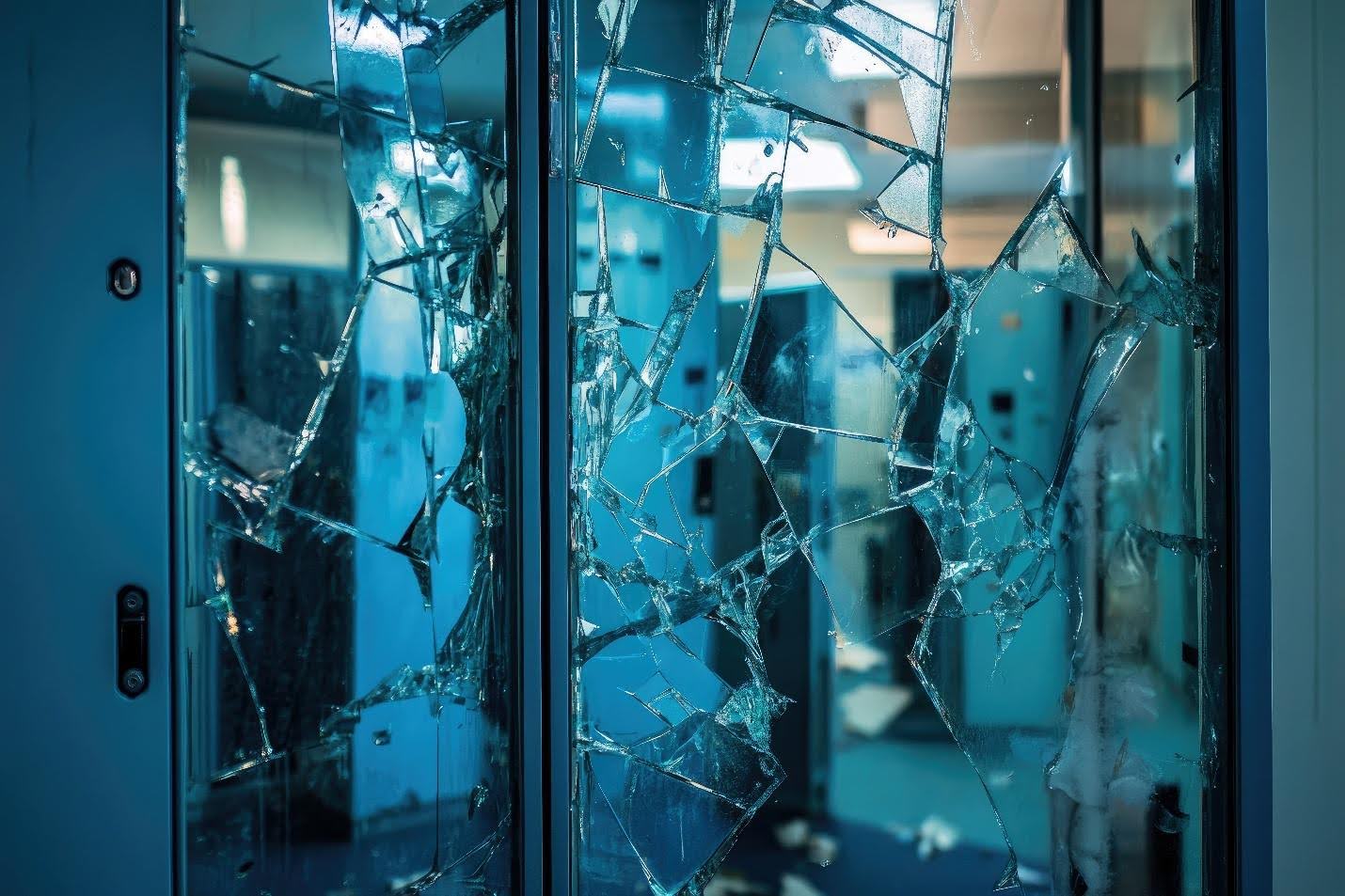
Unlike standard tint, security window film is thicker and stronger. When glass breaks, the film holds the shards together so the broken window remains in the window frame instead of falling or flying inward.
Modern window films help improve window safety while also offering uv rejection, sun control, and even daytime privacy depending on the product you choose.
Safety and Security Window Film: How It Works
Safety and security window film and safety and security window products are engineered to perform like a transparent laminate on glass. This safety window film:
- Bonds to the interior surface of the glass
- Helps hold shattered glass during impacts
- Works with existing glass, even tempered glass and large glass sizes
- Can be paired with security cameras and an alarm system for layered protection
In many cases, window film provides a cost-effective alternative to full glass replacement or specialty safety glazing.
Security Film and Safety Film
Both security film and safety film are designed for impact resistance and window protection. Safety focused films are often used to reduce injury from accidents, while heavier security and safety films are chosen for:
- Smash and grab attempts
- Forced entry
- Bomb blasts or blast mitigation projects
- High-risk storefronts and office windows
The result is a safe and secure environment with more resistance to sudden impacts.
Inside vs Outside: Where Security Window Film Goes
Most security films are installed on the inside surface of the glass. Interior window film security provides:
- Better protection from weather, UV, and pollution
- A longer lifespan, since the film is shielded from rain and sun
- A cleaner, more polished look for storefront and office interiors
When a security window film is installed on the inside, the film and window work together. The window film also:
- Helps with uv rejection, which can reduce fade and lower the risk of skin cancer from UV exposure
- Serves as window protection film that keeps shards attached to the film if the glass breaks
Interior application is usually the best option when you want lasting window safety and low maintenance.
Security Window Film on the Outside
Exterior security window applications are used when:
- Interior access is limited or blocked
- Glass is part of a curtain wall system or large large windows on high facades
- You need a sacrificial layer for graffiti or scratching
Exterior films are engineered as scratch-resistant products that can be replaced when damaged. This approach is common for public-facing glass that faces vandalism, such as storefront glass in busy areas.
Security and Safety Films
Leading brands produce safety and security window film designed for both residential and commercial properties. These films:
- Act as protection film that helps protect people and property
- Offer UV rejection and sun control in addition to impact resistance
- Are tested for performance against break-in, flying debris, and blast pressure
When combined with proper framing and anchoring, security and safety systems can significantly increase the time it takes an intruder to gain entry, giving alarms and security cameras more time to respond.
Security Film Thickness: 4 Mil, 7 Mil, and 8 Mil
Not all security window films have the same thickness. Common options include safety 4 mil clear, 7 mil, and 8 mil constructions.
Security and Safety 4 Mil Clear
- Security and safety 4 mil and safety 4 mil clear films provide basic glass protection and help reduce injury if glass breaks.
- Often used in low to moderate risk environments where window safety and anti-shatter performance are the main goals.
- Can be combined with sun control features to reduce heat and glare.
7 Mil and 8 Mil Security Window Film
- 7 mil and 8 mil films offer higher levels of window protection against forced entry and impact.
- 8 mil options are common for storefront projects, schools, and public buildings that need stronger safeguards.
- Heavier films are often specified when there is concern about bomb blasts, rioting, or severe property damage risks.
Specialized products like Shattergard or other branded laminates perform similarly by forming a tough membrane that film holds in place under stress.
Graffito and Sacrificial Protection
Some security window film systems include graffiti or anti-graffiti film. This sacrificial glass film:
- Installs on the exposed side of the glass
- Protects against spray paint, etching, and scratching
- Can be peeled and replaced when damaged without replacing the glass
This is especially useful on storefront glass and office windows at street level, where vandalism is common.
Security Window Film and Daytime Privacy
Many security window products are available as clear window films that do not change the appearance of the glass. Others add:
- Light tint for daytime privacy
- Reflective finishes that give a shatterproof look while helping reduce glare
- Combined sun control and safety performance
This means window films help you stay safe and secure while still seeing out, and your building can maintain its original design.
How Security Films Are Installed
Professional film installation is essential. During window security film installation, installers:
- Clean the glass and interior surface thoroughly to remove dust and oils
- Cut the film to the right glass size
- Apply the film with a slip solution and squeegee out air bubbles
- Inspect edges and trim for a snug fit to the window frame
High quality security films are installed to look like part of the glass. When done correctly, the film provides long lasting performance without peeling or haze.
Window Film Also Improves Comfort
Along with safety, window film also:
- Reduces glare and heat
- Supports UV rejection
- Can improve comfort in areas with large windows and lots of sun
Combined film and window performance often raises overall efficiency and safety without changing your glass to full laminate or replacing it with new safety glazing.
What Security Window Film Can and Cannot Do
Security window film gives:
- Better protection from flying glass and debris
- Resistance against smash and grab attempts
- Added resilience during natural disasters
- A stronger barrier that helps keep glass in place when glass breaks
What Film Does Not Replace
Even the strongest safety window film does not replace:
- A functioning alarm system
- Proper security cameras
- Strong locks and doors
Instead, window protection film works with these systems to keep your property more secure.
Final Notes on Safety and Security Window Film
Security and safety window film is a smart way to upgrade standard glass so it behaves more like safety glazing. Whether you choose safety and security 4 mil, 7 mil, or 8 mil, the right window film system:
- Acts as a tough glass protection film
- Helps hold shattered glass together
- Reduces window safety risks for occupants
- Keeps your space looking clean and professional
For best results, work with an experienced installer who understands window films to help protect people and property and can recommend the right security window film for your glass type, threat level, and building use.