How Business Window Tinting Can Save You Money in NYC
Business window tinting is a smart investment that offers multiple financial benefits for commercial properties in New York City. It goes beyond just improving the appearance of a building. Window tinting can help lower energy costs, protect interior furnishings, enhance security, and even boost employee productivity. All these advantages contribute to substantial savings, making it a valuable addition to any business.
One of the main reasons businesses choose window tinting is the cost savings on energy bills. By reducing the amount of heat entering through windows, tinted windows reduce the need for air conditioning. This leads to lower energy consumption and significant cost savings. Additionally, window tinting helps protect furniture, flooring, and equipment from fading and damage caused by UV rays.
Security is another crucial benefit of business window tinting. Tinted windows add an extra layer of protection against break-ins and vandalism, reducing potential repair and replacement costs. Furthermore, reducing glare and excess heat can create a more comfortable work environment, which can enhance productivity and reduce the need for additional cooling systems.
In the following sections, we will explore how business window tinting can help you save money in various ways. From reducing energy costs to enhancing security, understanding these benefits will highlight why window tinting is a wise choice for your commercial property.
Tint Laws
Running a business in NYC means your commercial window film choices should balance energy savings, safety and security, and compliance with tint laws. While window tint laws mainly govern car windows and vehicle windows, smart facility managers also review applicable rules and regulations for commercial façades (e.g., reflectivity and glare standards that affect neighboring properties). If your company operates a tinted vehicle fleet, you’ll also need to follow new york tinting laws on tint darkness, VLT (Visible Light Transmittance), and window reflection and plan for annual inspection at the DMV.
New York Window
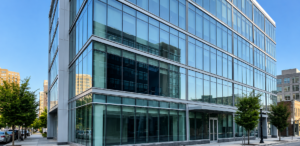
For commercial buildings, new york window upgrades with architectural films reduce cooling loads, mitigate interior fading from UV exposure, and improve occupant comfort. Professionally applied film and glass combinations add shade, cut glare, and help stabilize indoor temps without darkening interiors unnecessarily delivering measurable utility savings season after season.
New York Window Tinting
High-performing new york window tinting for offices leverages advanced automotive window films technology adapted for architecture. These films manage light transmittance carefully, offering a natural view while still light blocking enough solar heat to ease HVAC demand. For businesses with company cars, pair building upgrades with compliant auto window tinting to protect drivers and reduce interior fading in vehicles.
Rules And Regulations
NYC and NY State have specific rules and regulations for building façades and street visibility (glare/reflectivity). For fleets, window tint rules reference how much light is allowed through your film (VLT), and limits on reflective window tint that could cause problematic window reflection. Always verify with your local dmv and code officials to ensure the film applied meets both safety and community standards.
Window Tint Laws
Window tint laws become critical for commercial fleets. On passenger vehicles, front side windows in the state of New York must meet a minimum percentage of light allowed; rear side windows and the rear window have different thresholds, especially when vans or cargo vehicles are involved. During inspection, officers use meters to verify VLT, so coordinating fleet specs with your facility’s sustainability goals keeps compliance simple.
UV
Quality films block up to 99% of UV and harmful UV rays, protecting furnishings, displays, and electronics while lowering heating and cooling strain. This reduces interior fading and supports wellness objectives without heavy blackout looks that compromise brand presentation in street-level spaces.
New York Window Tint Law
Under new york window tint law (and the widely referenced tint laws in new york), front side windows must typically transmit more than 70% VLT; windshield tint is limited to the top six inches (or six inches of the windshield) with non-reflective tint. If your company runs a van or mixed fleet, confirm whether rear side windows/rear window allowances differ. The state also highlights window reflection when using mirrored films; avoid excessive reflectivity on film and glass to remain compliant with new york tint and new york tinting laws.
Windshield
For vehicles, windshield standards are strict: only a non-reflective tint strip along the top six inches is allowed. Full windshield tint is not legal outside those parameters. Make sure technicians certify work to spec and that each car window installation passes dmv checks.
Exemption
Some employees may qualify for an exemption. New York provides an application for tinted window exemption (MV-80W) for documented medical conditions causing severe photosensitivity. With a clinician’s documentation, you can seek a medical exemption for specific vehicles; keep proof in the glovebox and follow any sticker or paperwork requirements from your local dmv.
Tinting Rules
Quick fleet checklist for NYC businesses:
- Verify tinting rules and window tint rules: confirm tint darkness (VLT) per window position.
- Avoid illegal window configurations like full blackout on forward glass.
- Use non-reflective tint on the windshield strip only; limit reflective window tint elsewhere.
- Keep a sticker to identify legal tinting if required and ensure the glass on each tinted window passes metering.
- For any exemption, file MV-80W and carry documentation.
Window Tint Rules
For buildings, choose architectural films with appropriate light transmittance and glare control to reduce nuisance window reflection onto the street. For fleets, confirm dual side mirrors are present when the rear window is tinted and that technicians follow manufacturer guidance on film applied and VLT.
Tint Darkness
“Tint darkness” is the percentage of light allowed through (VLT). Lower VLT = darker film. For fleet compliance, select VLT values that meet code on front side windows, then coordinate branding privacy on rear side windows/rear window. Your installer should explain how VLT affects light transmittance, glare, and driver visibility especially at night.
Medical Exemption
If an employee needs a medical exemption for medical reasons, complete and submit the application for tinted window exemption (MV-80W) and ensure the provider’s statement certifies the condition. Keep documentation available for roadside verification and inspection.
Windshield Tint
Limit windshield tint to the approved visor area with non-reflective tint. Choose high performance films that cut heat and glare in that legal zone while preserving clarity and driver safety. Remember: the visor strip helps with sun shade without reducing critical forward visibility.
High Performance
Select high performance architectural films for offices and storefronts that control heat gain, reduce glare, and protect assets without heavy mirrors or illegal reflectivity. For fleets, premium automotive window films and compliant car window film can improve comfort and reduce interior fading while meeting state laws. Partner with a pro installer for both building and auto window solutions so your tinted vehicle program aligns with energy goals and the law.
Final Thoughts
- Lower utility spend with efficient window film that manages solar load.
- Protect assets from UV and glare; extend the lifecycle of interiors.
- Improve comfort and productivity with glare control and thermal stability.
- Keep fleets compliant with new york window tint law while enjoying the benefits of modern films.
Have questions about new york window tinting for your facility and keeping your fleet within tint laws? We can help interpret rules and regulations, select compliant VLT, and coordinate both building and vehicle solutions that pass inspection and deliver long-term savings.