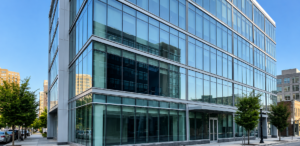

Professional commercial window tinting should look clean, and flat every day. In New York, NY, film installations face strong sun, HVAC airflow, constant cleaning, and daily foot traffic. When commercial window tinting stays smooth, it protects glass surfaces, keeps office space comfortable, and improves aesthetics for clients and staff. New York Window Tinting installs and maintains window film in NYC with a focus on long term performance, not just the first week.
Smooth film is not only about the install. It also depends on curing, cleaning habits, and choosing the right window film solutions for the job, from solar window film to security window film and decorative window film.
Film Installations That Stay Smooth In A New York Building
A smooth finish starts with prep and installer technique. If dust, grit, or adhesive residue remains on glass surfaces, the film could trap debris and create visible bumps that look like bubbles. In a new york building, large panes and busy storefront entrances also raise the chance of scratch marks during or after installation.
Key steps that support smooth film installations
• Deep cleaning and edge detailing so film lays flat
• Proper squeegee pressure to avoid stretch lines
• Controlled mounting solution to prevent haze pockets
• Clean trimming for consistent edges on every security window and lobby panel
• Clear post install instructions for the building team
For business owners, a clean install improves aesthetics and helps the space feel more premium and organized.
Why Commercial Window Tinting Loses Its Smooth Finish
Most issues show up for predictable reasons, especially in retail stores and high use office space.
Common causes of surface problems
• Cleaning too soon during curing
• Ammonia based cleaners that weaken adhesive over time
• Rough paper towels that scratch film technology coatings
• Abrasive pads that create micro scratch patterns
• Moisture trapped that needs more time to evaporate
• Heat spikes near windows that stress the film
• Edge rubbing from blinds, shades, or hardware
• Repeated scraping on storefront glass from tape, decals, or tools
A smooth look depends on reducing stress and protecting edges, where failure usually begins.
Curing: When the Film Could Still Look “Wet”
Curing is the period when installation moisture dries and the adhesive sets. Even if the film looks installed, it may still be curing under the surface.
What to expect during curing
• Light haziness is normal at first
• Small water pockets may appear, then shrink
• Curing time changes by season and indoor conditions
What helps curing finish cleanly
• Stable indoor temperature and airflow
• Controlled humidity for better adhesive set
• No cleaning until the installer says it is safe
• Minimal contact near edges and corners
In New York, winter installs can cure slower. Summer installs cure faster but face stronger heat and UV rays sooner.
Cleaning Rules That Keep Commercial Window Tinting Smooth
Most film damage happens during cleaning. A janitorial team may treat window film like bare glass, but film technology needs gentler care.
Use the right cleaner
• Non ammonia cleaner or mild soap and water
• Avoid harsh degreasers unless approved by the installer
• Avoid soaking edges where adhesive meets the frame
Use the right tools
• Microfiber cloths for daily wipe downs
• Soft squeegee with light pressure for larger panels
• No razor blades, no metal scrapers, no abrasive sponges
Use the right technique
• Spray the cloth first, not the glass, to protect edges
• Wipe in smooth strokes with light pressure
• Keep tools clean so grit does not create a scratch
• Dry the edges last with a clean microfiber cloth
A simple rule: if a tool can scratch glass, it can scratch window film.
Security Window Film: How to Keep a Security Window Looking Flat
Security window film is often installed on storefronts, entry doors, and ground level glass to help reduce break in risk and improve safety. Smoothness matters because lifted edges can become a weak point.
Best practices for security window film
• Keep cleaning solution from pooling on the bottom edge
• Avoid repeated rubbing at corners of a security window
• Do not place tape or stickers directly on the film
• Ask the installer about edge sealing for high traffic areas
Security film and safety window film can also support a cleaner look by reducing glare and helping people feel more comfortable inside the space.
Anti Graffiti Film and Anti Graffiti Window Film for Retail Stores
Window film for retail takes more abuse than most office glass. Handprints, signage changes, sidewalk grime, and occasional vandalism can wear down film. Anti graffiti film is designed as a sacrificial layer to protect the surface. If it gets marked or scratched, it can be replaced without removing the main film.
How anti graffiti film stays smooth longer
• Use soft microfiber and gentle cleaner
• Avoid scraping even when removing adhesives
• Replace the top layer when scuffs build up
• Keep corners protected so the anti graffiti film does not lift
Graffiti damage and surface tagging are not always predictable in NYC, but anti-graffiti window film gives retail stores a practical way to keep glass looking clean and stylish.
Decorative Window Film and Frosted Window Film for Aesthetics and Privacy
Decorative window film improves seclusion and privacy window coverage without blocking natural light. It also supports aesthetics in conference rooms, clinics, and modern office space. Frosted window film is one of the best window options for privacy and a clean look.
Popular decorative film uses
• Frosted bands for conference rooms
• Full frost for treatment rooms and private offices
• Branded patterns for entry glass
• Decorative window film for partitions and lobbies
For a more premium style, some projects use Fasara and other decorative film lines that offer a modern texture and a consistent finish.
Film Options and Film Technology That Supports Smooth Results
Many building teams ask for a known brand with strong commercial window film options. Film technology varies by type, so the best choice depends on the goal.
Examples of commercial window film options
• Solar window film for glare control and UV rays reduction
• Security film for impact resistance support
• Decorative film like Fasara for privacy and style
• Anti graffiti film to protect storefronts from scratch and marks
The right film reduces risk of early wear and helps the surface stay smooth with normal maintenance.
New York Commercial Window Film and Energy Efficiency
New York commercial window film is often chosen to improve energy efficiency, reduce glare, and stabilize indoor temperatures. When a building holds temperature better, HVAC runs more evenly, which can support comfort and productivity in office space.
How window film in NYC can help energy costs
• Reduces heat gain from sunlight
• Filters UV rays that fade furniture and flooring
• Supports insulation feel near large glass walls
• Helps reduce hot spots that trigger thermostat swings
Lower energy costs are never guaranteed because every new york building is different, but many business owners choose solar window film for comfort and energy efficiency improvements.
Custom Vinyl Graphics and Decorative Branding Without Damaging Film
Some companies add custom vinyl graphics to doors and glass panels for branding. When done correctly, it can look professional and keep a consistent design language.
Tips to protect film when adding graphics
• Ask the installer if the graphic is compatible with the film
• Avoid aggressive adhesives that require scraping later
• Remove graphics carefully to prevent edge lift or scratch marks
If a building plans frequent promotions, anti graffiti film can add an extra layer of protection.
What to Do When You See a Bubble, Ripple, or Scratch
A calm response protects the finish.
Step 1: Check timing
• If the film is new, it may still be curing
• If it is older, check for cleaning product changes or new HVAC airflow
Step 2: Do not press or puncture
Pressing can stretch film. Poking can leave marks and weaken the surface.
Step 3: Document and call an installer
A quick photo and location note helps diagnose whether it is moisture, edge lift, graffiti damage, or a scratch from cleaning tools.
Frequently Asked Questions
How long does commercial window tinting take to cure?
Curing can take several days to a few weeks depending on sunlight, temperature, and humidity. Winter curing often takes longer.
Is the security window film hard to clean?
It can be easy to maintain when cleaned with a non ammonia cleaner and a microfiber cloth. Scrapers and abrasive pads should be avoided.
Does anti graffiti film stop scratches?
It helps protect the surface by acting as a replaceable layer. If it is damaged, it can be removed and replaced without stripping the main film underneath.
Is frosted window film good for office privacy?
Yes. Frosted window film and decorative window film improve seclusion and privacy while still allowing natural light through.
Can solar window film help energy efficiency?
Many commercial properties use solar window film to reduce heat gain and glare, which can support comfort and help manage energy costs.