
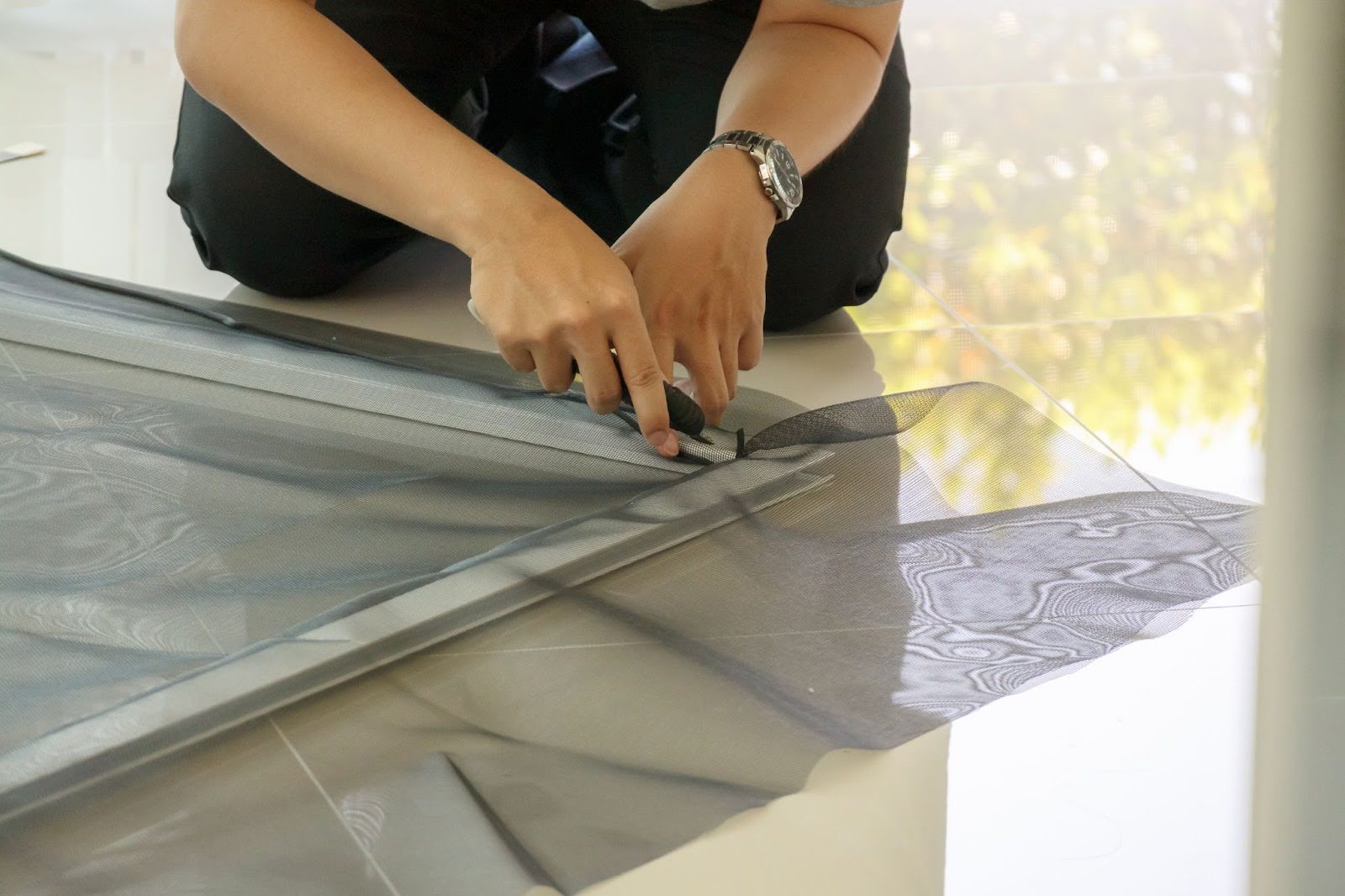
Large windows are one of the best features in modern homes and commercial buildings. They allow natural light to pass through, improve views, and make interiors feel larger. At the same time, clear glass can allow people outside to see into a space. For many property owners, one-way window film provides a practical privacy solution that helps increase privacy while still allowing clear daytime views.
New York Window Tinting installs reflective window film for residential and commercial buildings throughout New York, NY. These films allow property owners to enjoy daylight and visibility while reducing the risk of people on the outside seeing into a room.
This guide explains how one-way window film works, the science behind it, and how to choose the right film for your needs.
Understanding One-Way Window Film And Reflective Privacy
One-way window film is a thin layer of metal based material applied to glass. This reflective film creates a mirror effect on the outside of the window when the lighting conditions are right.
During the day, when there is more light outside than inside, the reflective privacy effect works like a mirror. People outside see the reflective surface, while people inside can still see outward.
This creates excellent privacy during the day while still allowing you to enjoy natural light.
Key features include:
- A reflective surface on the outside of the window
- Clear visibility from the inside
- A mirror effect that limits outside visibility
- A thin layer of metal that reflects light
This simple technology is what allows the film to provide privacy while allowing light to pass.
The Science Behind The Mirror Effect
The science behind one-way window film work depends on light levels on each side of the glass. When there is more light outside than inside, the film reflects that light outward.
Because of this difference in brightness:
- The outside surface becomes highly reflective
- People outside cannot see inside clearly
- The interior side of the glass remains transparent
In simple terms, the side of the glass with more light becomes reflective. This is why the effect works best during daylight hours.
Daytime Privacy Without Losing Your View
One of the main reasons homeowners choose one-way window film is its ability to create privacy during the day without blocking views.
Benefits include:
- Privacy while allowing clear daytime views
- Reduced glare from sunlight
- A reflective exterior appearance
- Still letting natural light enter the room
This allows property owners to maintain visibility while preventing people outside from seeing into your home or office.
Does One-Way Window Film Work At Night?
Many people ask whether one-way window film works at night. The answer depends on lighting conditions.
When the sun goes down and it’s dark outside, the lighting balance changes. If lights are on inside the building and the exterior becomes darker outside than inside, the mirror effect can reverse.
In this situation:
- People outside may see inside
- The reflective effect becomes less noticeable
- Privacy at night may require blinds or curtains
Because of this, one-way window film doesn’t always provide nighttime privacy on its own.
Nighttime Privacy And Window Film Behavior
It is important to understand how window film at night behaves. When lights are on inside and it’s dark outside, the interior becomes the brighter side of the glass.
That means:
- The reflective effect disappears
- People on the outside may see silhouettes or shadows
- The film doesn’t block visibility completely
For full nighttime coverage, many homeowners use blinds or curtains together with the film.
Types Of One-Way Window Film And Reflective Tint Options
There are several types of one-way window film available depending on the level of reflectivity and tint desired.
Common options include:
- Highly reflective films for maximum daytime privacy
- Neutral reflective tint for a softer mirror effect
- Decorative film options that combine privacy with design
- Frost or matte films that provide constant opacity
Each option provides a different balance between visibility, glare reduction, and reflectivity.
Choosing The Right Film For Your Privacy Needs
Choosing the right film depends on several factors.
Property owners should consider:
- Amount of daylight outside the window
- Whether the space needs privacy at night
- Desired reflectivity level
- Whether the film will be used in a bathroom, office, or storefront
A professional installer can help determine the right film for your home or business based on these conditions.
Additional Benefits Beyond Privacy
In addition to helping with privacy, reflective window film also offers several additional benefits.
These benefits may include:
- Reduced glare from sunlight
- Protection from harmful UV rays
- Lower solar heat entering the building
- Improved comfort during sunny hours
- Protection against fading furniture and floors
The film also improves energy efficiency by reducing solar heat gain.
A Smart Privacy Solution For Homes And Businesses
One-way window film works well in many environments.
Common applications include:
- Residential living rooms and bay windows
- Bathroom windows where homeowners want privacy
- Office buildings and conference rooms
- Retail storefronts
- Ground floor commercial spaces
This technology allows property owners to maintain openness while still controlling visibility.
Why Professional Installation Matters
Proper installation ensures the film performs correctly. Professional installers evaluate:
- Window orientation
- Light exposure
- Glass type
- Desired privacy level
Companies that specialize in professional installation ensure the film is applied smoothly and positioned correctly on the glass.
Conclusion
One-way window film offers a practical way to increase privacy while still allowing natural light and outdoor views. By using reflective technology, the film creates a mirror effect that prevents people outside from seeing inside during the day.
For homes and commercial buildings with large windows, this solution provides an effective balance between openness and privacy without replacing existing glass.