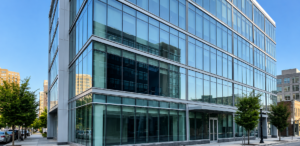

Security window tinting in New York City caters to diverse needs with both visible tint and optically clear options. While visible tints alter a structure’s aesthetic, offering privacy and reducing solar heat gain, optically clear films deliver superior impact resistance without changing appearance. Both types protect against UV rays and enhance safety standards. Optically clear films guarantee natural light transmission and meet stringent industry safety requirements. Those interested will uncover more about tailored aesthetic and functional solutions.
Understanding Security Window Tinting Options
When selecting security window tinting options, it is important to take into account the specific needs and vulnerabilities of the building. Professionals must assess criteria like glass type, exposure to potential threats, and local regulations. Different tinting technologies offer varying levels of protection. For instance, dyed films provide basic UV protection, while metallized films enhance durability by incorporating microscopic metallic particles. Ceramic films, composed of non-conductive ceramic particles, block heat and glare without interfering with electronic signals. Advanced hybrid films combine multiple technologies, optimizing strength and clarity. It is vital to evaluate the film’s thickness, measured in mils, as greater thickness generally translates to enhanced impact resistance. Choosing the right option requires balancing aesthetic considerations with the building’s security requirements, ensuring thorough protection.
Benefits of Optically Clear Security Films
Optically clear security films offer a unique combination of protection and transparency, making them an ideal choice for maintaining a building’s aesthetic while enhancing security. These advanced films are engineered using multi-layered polyester substrates, providing exceptional resistance to impact and penetration. They effectively mitigate the risk of glass shattering during attempted break-ins or natural disasters by holding glass fragments together. Additionally, they deliver substantial UV protection, blocking up to 99% of harmful rays, which helps in preserving interior furnishings. Their optical clarity guarantees unobstructed views, maintaining natural light transmission without altering building appearance. These films comply with industry standards such as ANSI Z97.1 and CPSC 16 CFR 1201, assuring high performance and reliable safety for architectural applications.
How Visible Tint Affects Building Aesthetics
While optically clear security films maintain transparency, visible tints offer an alternative by subtly altering a building’s appearance. These tints can enhance architectural aesthetics by providing a sleek, modern look. They modify light transmission characteristics, creating a distinctive exterior facade that can complement contemporary design trends. Visible tinting can also provide a degree of privacy without compromising daylighting, ensuring maintaining interior ambiance. From a technical perspective, visible tints reduce glare and control solar heat gain, improving energy efficiency. The integration of tinted films must consider glass type and structural load, ensuring compatibility and long-term performance. Building owners often leverage these aesthetic and functional benefits to reinforce brand identity while adhering to zoning regulations and urban planning guidelines in New York City.
The Role of UV Protection in Window Tinting
Some might overlook the critical role UV protection plays in window tinting, yet its impact is profound. Ultraviolet rays contribute considerably to interior fading, material degradation, and potential health risks. Window films with UV-blocking capabilities mitigate these effects by filtering up to 99% of harmful UV radiation. This protection extends the lifespan of furnishings, reducing maintenance and replacement costs. Furthermore, UV-protective tinting enhances occupant well-being by minimizing UV exposure, linked to skin cancer and other health concerns. The integration of UV inhibitors in tinting materials guarantees long-term stability and performance. Advanced spectrally selective films offer high optical clarity while maintaining efficacious UV filtration, making them ideal for both residential and commercial applications. Consequently, UV protection is indispensable in modern window tinting solutions.
Security Considerations for Residential and Commercial Properties
When considering window tinting for residential and commercial properties, security emerges as a crucial factor that can’t be ignored. Enhanced security window films are engineered to bolster glass integrity, deterring break-ins and safeguarding occupants. These films are composed of multiple layers of polyester film, with advanced adhesive technology, that enhance impact resistance. They thwart potential intruders by delaying forced entry, providing critical response time. Additionally, security films mitigate glass shatter hazards during natural disasters or acts of vandalism, reducing injury risks. The optical clarity of these films maintains visibility without compromising aesthetics. Security window tinting integrates seamlessly with existing security systems, offering an unobtrusive yet formidable layer of defense. This strategic enhancement of structural resilience is indispensable for risk mitigation in urban environments.
Choosing the Right Window Tinting for Your Needs
Selecting the ideal security window tinting involves a thorough understanding of various factors, including UV protection, heat reduction, and privacy needs. In New York City, where regulations are stringent, one must consider Visible Light Transmission (VLT) percentages. A lower VLT means a darker tint, offering enhanced privacy and glare control, essential for both residential and commercial applications. In addition, the Solar Energy Rejected (SER) rating indicates the efficacy in heat reduction, critical for energy efficiency. Opt for tints with high UV Rejection to protect interiors from fading and occupants from harmful rays. Consider the choice between dyed, metalized, and ceramic tints, each offering distinct benefits. For a balance of transparency and protection, optically clear films provide substantial security without compromising visibility.