Top Reasons to Incorporate Electrochromic Smart Glass into Your Building Design
In today’s world of advanced glass products and architectural innovation, switchable smart glass including electrochromic technologies, PDLC, and SPD (suspended particle devices) has emerged as a revolutionary solution for enhancing light control, privacy, and energy efficiency. Whether you’re retrofitting existing glass or designing from scratch, integrating smart film and electrically switchable glass elevates both aesthetics and function.
If you’re exploring new ways to control natural light, manage privacy, and future-proof your space, switchable smart glass offers a compelling alternative to traditional window treatments. Below, we explore why it’s becoming a must-have in both residential and commercial design.
What Is Electrochromic Smart Glass?
Electrochromic smart glass part of the broader family of smart glass technologies—changes its opacity when voltage is applied. This electrically switchable glass transitions between clear and tinted states, controlling the amount of light transmitted through glass windows or office partitions without mechanical shades or blinds.
Unlike PDLC (polymer dispersed liquid crystal) smart film that uses dispersed liquid crystal polymers to achieve privacy, electrochromic glass relies on a chemical change triggered by electricity. Both approaches offer complete privacy and can be integrated into a range of glass applications from partition walls to office windows to projection screens.
Enhance Energy Efficiency with Smart Glass
Switchable glass contributes to energy savings by regulating solar heat gain and reducing the need for artificial lighting and HVAC use. During bright days, it can reduce glare and heat, darkening to block UV and infrared rays. On overcast days, it clears to allow more natural warmth, minimizing heating needs.
For projects focused on sustainability, installing smart glass film or light control glass can reduce HVAC loads by up to 25%. Whether you’re using SPD (suspended particle device) tech or PDLC switchable film, these smart solutions integrate with building automation or even smart home through the Z-Wave technology for real-time climate adaptation.
Improve Privacy and Security in Your Space
Privacy smart glass gives instant privacy with the flip of a switch—ideal for sensitive environments like hospitals, schools, or meeting rooms. Switchable privacy tech eliminates the need for curtains or blinds, offering a sleek, sanitary alternative while also reducing dust accumulation.
Incorporating glass and smart film also improves security. By switching to an opaque state, privacy control becomes immediate, deterring visual access for unwanted intruders. Many commercial clients in the glass and film industry rely on non-adhesive or laminated PDLC switchable glass for conference rooms or office partitions, enabling complete privacy on demand.
Boost Aesthetic Appeal and Property Value
From luxury homes to tech-savvy offices, active glass solutions like smart tint, switchable film, and smart glass elevate the visual experience. Glass panels remain clean and modern without bulky window coverings, offering flexibility from clear to opaque
Switchable: From Transparent to Opaque in Seconds
Switchable smart glass gives you real-time control over transparency. Whether you’re using switchable smart film, SPD, or PDLC, this tech allows surfaces to shift from transparent to opaque instantly. This dynamic transition not only adds convenience but also helps offer privacy without relying on blinds or curtains.
Exploring Glass Products for Modern Living
Modern glass products now go beyond static panels. Smart glass technologies are being integrated into glass windows, glass partitions, and projection-use surfaces. Whether you’re choosing a type of glass for residential or commercial projects, there are options tailored to meet design goals, climate control, and aesthetics.
Versatile Glass Applications for Any Setting
From office partitions to residential windows, smart glass applications offer a range of benefits. These include light and heat control, glare reduction, and privacy on demand. Applications can also be used for projection or as display surfaces, making them ideal for conference rooms, retail, or smart homes.
Smart Film and Its Advantages
Smart film is a cost-effective way to convert existing surfaces into intelligent ones. It can be applied to existing glass using non-adhesive or adhesive backing, depending on the project. Common uses include privacy window enhancement, solar control, and even window tint alternatives. Smart films are typically based on polymer dispersed liquid crystal or SPD (suspended particle devices).
Why Choose Switchable Glass?
Switchable glass is gaining traction in commercial and residential settings due to its flexibility and design appeal. It replaces traditional treatments like frosted glass or blinds with a smart glass solution that responds to your needs. The switchable glass and film market continues to expand, offering more types of smart materials to choose from.
PDLC: Polymer Dispersed Liquid Crystal Explained
PDLC (polymer dispersed liquid crystal) technology is one of the most widely used smart glass solutions. It consists of liquid crystal droplets embedded in a polymer matrix that becomes transparent or opaque with electrical input. PDLC is commonly used in switchable smart glass and switchable film for interior partitions and privacy control.
Understanding Smart Glass Technologies
There are multiple smart glass technologies available today: PDLC, SPD, and electrochromic. Each uses a different method for light control. While PDLC is great for privacy, SPD (suspended particle) technology excels in sunlight management and glare reduction. Your project’s needs will determine the right solution.
Where to Use Switchable Smart Glass
Switchable smart glass can be used in office partitions, bathroom enclosures, meeting rooms, and even glass windows in residential spaces. This smart glass application enhances both form and function while eliminating the need for mechanical shades.
Benefits of Switchable Film
Switchable film offers a retrofit solution for adding privacy and light control. It’s lightweight, easy to install, and can transform ordinary sheets of glass into interactive surfaces. Whether used for projection, glazing, or offering privacy, this solution fits seamlessly into most glass applications.
The Role of Liquid Crystal in Smart Glass
At the core of many smart glass solutions lies liquid crystal. These molecules align or scatter when electricity is applied, altering the transparency of the surface. Whether dispersed in a polymer (as in PDLC) or controlled through other mechanisms, liquid crystal behavior is essential to electrically switchable glass systems.
Future of Smart Glass Technology
The future of smart glass is bright, with ongoing advancements in dynamic glass, solar integration, and AI-powered automation. Soon, smart glass applications will adapt to lighting preferences, weather conditions, and even voice commands. Expect better integration with smart home systems, more types of glass, and stronger energy performance.
Electric Smart Glass vs Suspended Particle Devices
Electric smart glass like SPD systems use suspended particle materials that darken when voltage is applied. Unlike PDLC, SPD doesn’t go fully opaque but instead adjusts tint levels to manage sunlight and heat gain. Ideal for skylights or exterior windows, suspended particle device systems give flexibility in light and heat control.
Best Glass Windows for Privacy and Light Control
Today’s glass windows can be tailored for total transparency, complete privacy, or anything in between. Whether you’re retrofitting with film for windows or upgrading to electrically switchable glazing, smart solutions exist for every size of the glass and architectural style.
Smart Glass Application in Office Partitions
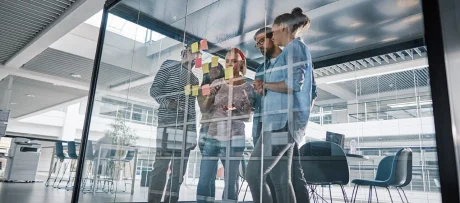
Office partitions with switchable smart glass are replacing traditional cubicles and blinds. With a tap or automation trigger, glass can provide complete privacy for meetings, then revert to clear when collaboration is needed. These setups also reduce noise and help modernize the office design.
Use Smart Glass to Future-Proof Your Space
Whether you’re building from scratch or looking to use smart glass applied to existing surfaces, the benefits are clear: energy efficiency, privacy, and modern appeal. Let this be your smart glass solution seamless, sustainable, and stunning.