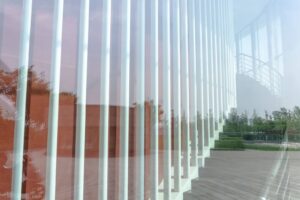

Privacy window tinting is a smart solution for both homeowners and businesses looking to enhance privacy, reduce energy costs, and protect interior furnishings. By applying privacy window film to glass windows, you block visibility from the outside during the daytime while maintaining interior clarity. This thin adhesive film or static cling window layer works by manipulating light, especially useful in offices, storefronts, and homes where natural light is welcome, but prying eyes are not.
Modern privacy window tinting also contributes to heat reduction, blocking UV rays, and lowering energy costs. Whether using one-way mirror film, mirror window film, or frosted glass solutions, the right film installation provides a sleek appearance and lasting performance.
Understanding the Basics of Privacy Window Tinting
At its core, privacy window tint involves applying a high-quality laminate film either a decorative window film or a solar window film to windows and glass surfaces. These films are designed to enhance privacy without completely darkening the room, still allowing natural light to filter through.
Some options, like mirror film or frosted window film, offer a clean look and increased seclusion. The process involves cleaning the glass, cutting the adhesive film or privacy static cling to size, and applying it with soapy water for a smooth finish. The result: reduced visibility from outside, temperature control, and protection from sun exposure.
The Science Behind One-Way Visibility
One-way mirror film is effective during daytime because of luminance disparity. The side with more light reflects like a mirror, while the dimmer side remains see-through. This is why privacy window tinting works best when the outside is brighter than the inside.
Such window film privacy solutions block views without sacrificing natural light inside. Though they are less effective at night, where interior lighting can reverse the visibility, they remain a powerful daytime privacy tool. These films offer enhanced security, style, and control over your environment.
Types of Privacy Window Films
Many variations of privacy window tinting exist, each tailored to specific needs:
Frosted window film: Ideal for bathrooms, shower doors, and offices. It offers permanent window privacy film while diffusing light.
Decorative window film: Patterns like stained glass film add style while increasing privacy.
Mirror film: Best for glass doors, storefronts, and businesses and offices, it creates a one-way mirror film effect.
Solar window film: Blocks heat and glare while offering moderate privacy.
Privacy static cling: Easy to apply, reposition, and remove without residue.
Low-E or film frosted technologies: Provide insulation and energy savings.
Each privacy window film offers different levels of vlt (visible light transmission), enabling customization based on preference, space, and purpose.
Additional Benefits of Window Tinting
Beyond privacy without full blackout, window tinting services offer significant advantages:
Blockage of up to 99% of UV rays, reducing fading of interior furnishings and flooring.
Sun protection for skin and furniture by blocking UV rays.
Lower energy costs by keeping interiors cool and reducing HVAC load.
Better aesthetics, especially with glass window film that adds a sleek appearance.
Improved security some films hold shattered glass in place during break-ins or storms.
Whether you choose adhesive film or static cling window film, both options are effective at blocking heat and protecting your home.
Application and Installation Methods
Proper film installation starts with surface prep. The glass window must be cleaned with soapy water, removing all dirt and oils. From there:
The privacy window tinting film is measured and cut to size.
Applied with a squeegee to remove air bubbles.
A heat gun may be used to activate adhesives or fit curved surfaces.
Adhesive film offers longer-term solutions, while privacy static cling is great for rentals or short-term projects. Both are easy to apply and maintain with simple cleaning routines.
Frosted and Decorative Options
Frosted window film remains one of the most popular options for privacy window tinting, especially for bathrooms and conference rooms. It offers high privacy while allowing natural light to filter through.
Decorative window film, like stained glass film, adds a touch of elegance to any room. These films offer an easy way to add style while maintaining seclusion. Businesses use them to display logos or design patterns on glass doors, enhancing both branding and privacy without full coverage.
Mirror and One-Way Privacy Films
Mirror window film is a go-to for businesses and offices that need daytime privacy. The reflective surface helps with sun protection and glare control, while also acting as a privacy window film that one can see through from inside.
One-way mirror film is especially beneficial for storefronts, home offices, or any area where you want full visibility out but block others from looking in. It delivers a sleek appearance, lowers energy costs, and improves the comfort of your space.
Privacy Solutions That Work at Night
It’s important to understand that privacy window tinting is most effective during the day. At night, when interior lights are on and it’s dark outside, the visibility may reverse.
For 24/7 privacy, opt for frosted glass, film frosted, or window privacy film solutions that provide privacy without depending on light conditions. These solutions are best for bedrooms, bathrooms, and any space where prying eyes aren’t welcome, day or night.
Enhancing Your Home or Business With Style
Privacy window tinting doesn’t just protect it. Whether you choose decorative window film for your kitchen, solar window options for the living room, or mirror film for your storefront, you’re investing in aesthetics, comfort, and energy savings.
You can also use laminate, solid wood, or bookshelf films to match the surrounding decor. Custom designs can add a touch of elegance, and film can reduce solar heat while preserving the natural light you love.
A Smart Way to Protect and Beautify
Privacy window tinting is more than just a protective barrier; it’s a design choice, an energy-efficient upgrade, and a privacy solution rolled into one. Whether you’re looking to protect your home, increase privacy without curtains, or create a sleek appearance, there’s a film that fits your needs.
Choose from frosted, mirror, solar, or decorative window films, and enjoy the benefits of modern privacy that works both functionally and visually. From window clings to adhesive film, this simple upgrade can transform how you feel in your own space.
Frequently Asked Questions About What Is Privacy Window Tinting and How Does It Work
Can Privacy Window Tinting Be Removed Easily Without Damaging the Glass?
Yes, privacy window tinting can be removed easily without damaging the glass. Technicians use steam or a heat gun to soften the adhesive, ensuring the film peels away cleanly, preserving the integrity of the underlying surface.
Are There Any Legal Restrictions on Window Tinting for Homes or Businesses?
Yes, legal restrictions on window tinting vary by location. Authorities often regulate tint darkness and reflectivity for safety and visibility reasons. Homeowners and businesses should check local building codes and ordinances to guarantee compliance before installation.
How Does Privacy Window Tinting Affect Indoor Plants?
Privacy window tinting affects indoor plants by reducing light intensity, potentially hindering photosynthesis. However, plants adapted to low-light conditions may thrive, while others might require supplemental lighting to guarantee ideal growth and health in tinted environments.
Will Privacy Window Tinting Interfere With Wi-Fi or Mobile Signals?
Privacy window tinting doesn’t interfere with Wi-Fi or mobile signals. It primarily blocks visible light, not radio waves. Consequently, it allows these signals to penetrate glass surfaces unimpeded, ensuring consistent connectivity within the tinted environment.
What Is the Expected Lifespan of Privacy Window Tinting Films?
Privacy window tinting films typically last between 5 to 15 years, depending on factors like quality, exposure to sunlight, and installation technique. Regular maintenance and proper care can extend their longevity, ensuring sustained effectiveness and appearance over time.